Educational Guide to Healthy Eating for Men
Explore evidence-based information about balanced nutrition, natural food sources, and dietary patterns that support overall wellbeing
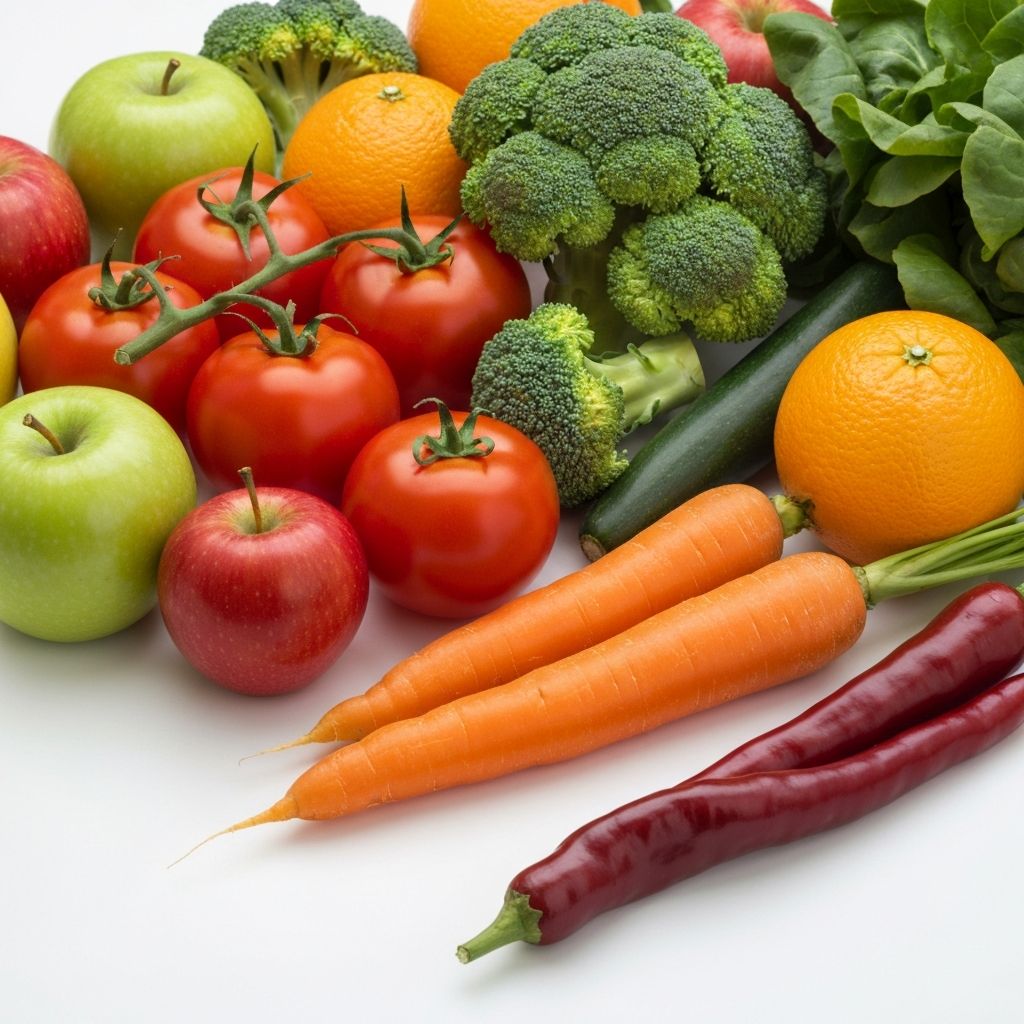
Educational content only. No promises of outcomes.
Overview of Healthy Eating
Understanding Balanced Nutrition
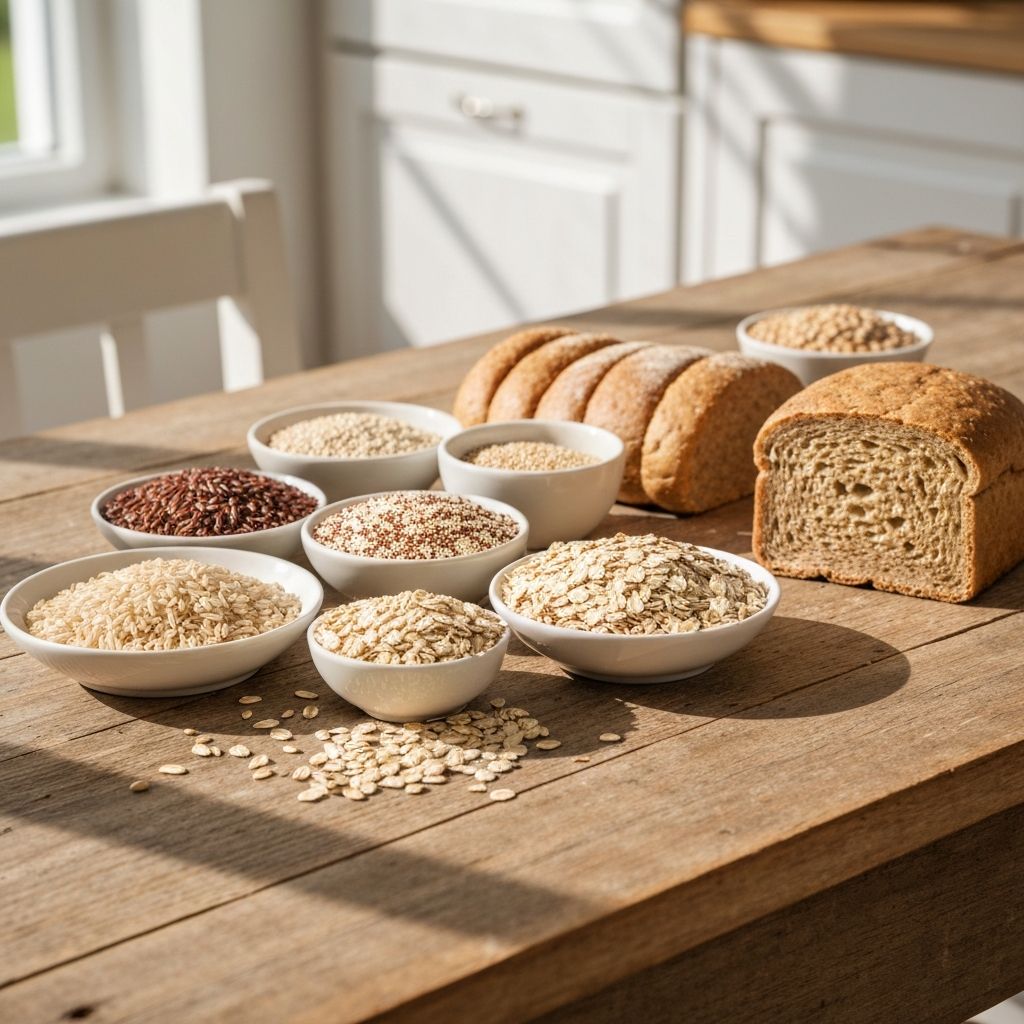
Healthy eating encompasses a wide range of dietary patterns that include diverse food groups. A balanced approach typically involves incorporating whole grains, vegetables, fruits, lean proteins, and healthy fats into daily meals. These food groups provide various nutrients that play roles in bodily functions.
Whole grains such as brown rice, quinoa, oats, and whole wheat products contain fiber, B vitamins, and minerals. These foods are staples in many traditional diets around the world and have been consumed for centuries as part of regular eating patterns.
The Role of Vegetables in Daily Diet
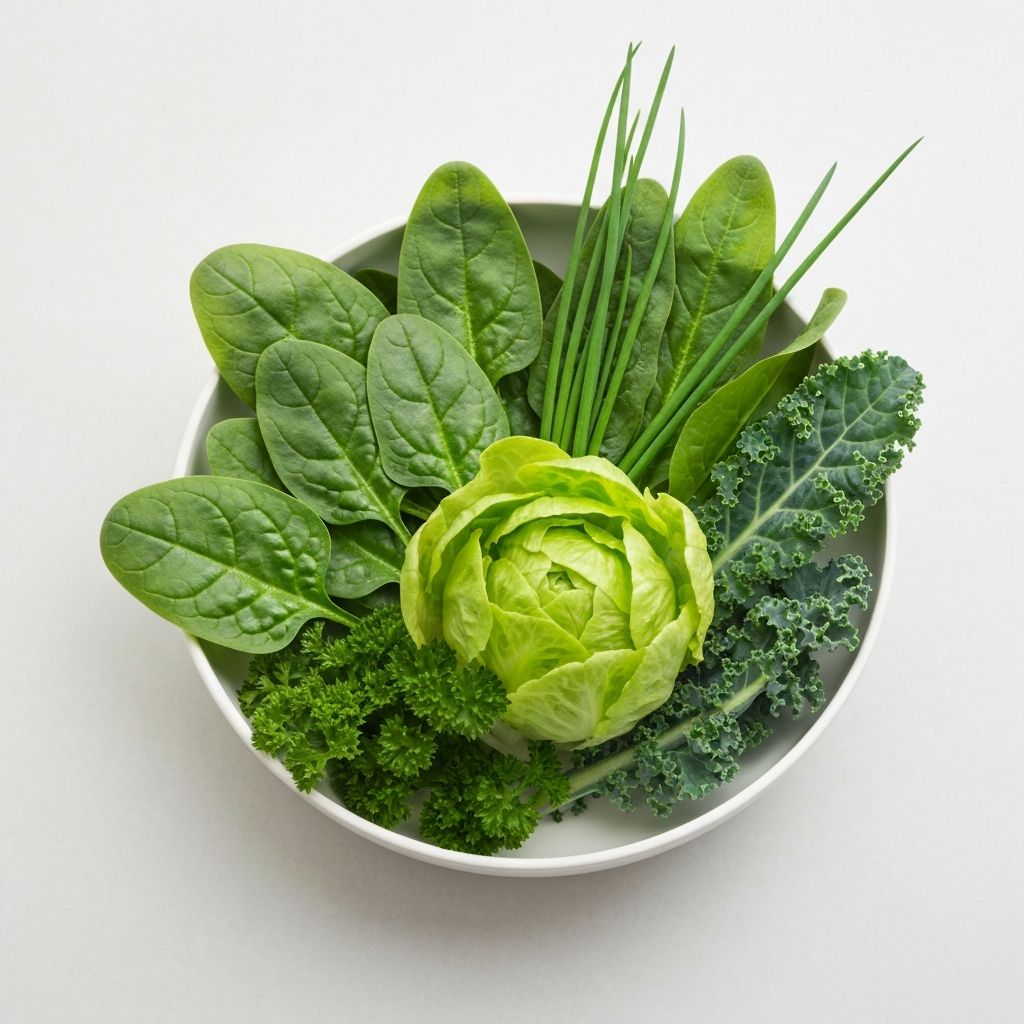
Vegetables, particularly leafy greens like spinach, kale, and lettuce, are commonly recommended components of dietary guidelines globally. They contain vitamins A, C, K, folate, and minerals such as iron and calcium. Different colored vegetables provide different phytonutrients.
Nutritional science continues to study how various compounds found naturally in vegetables interact with human physiology. Dark leafy greens, cruciferous vegetables like broccoli and cauliflower, and colorful options like bell peppers and tomatoes each have distinct nutritional profiles.
Healthy Fats and Protein Sources
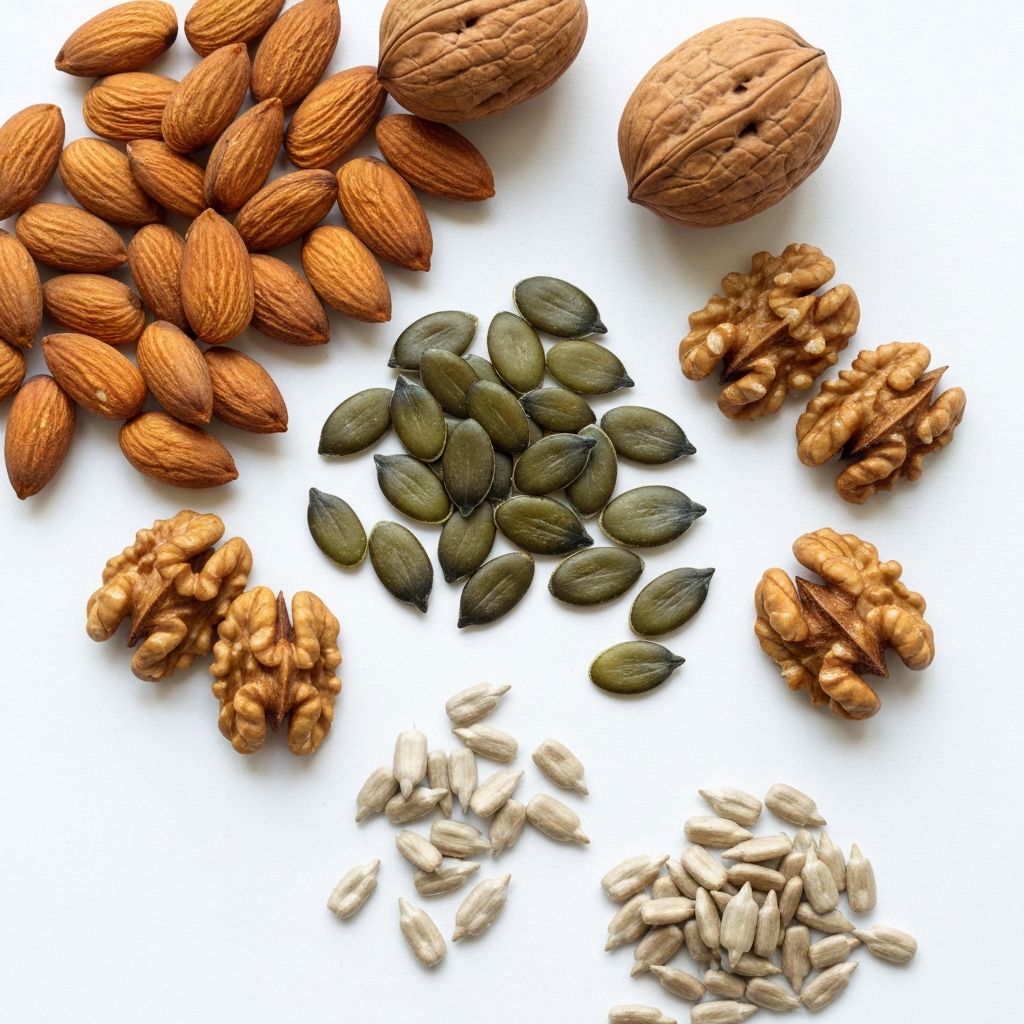
Nuts and seeds are energy-dense foods that contain monounsaturated and polyunsaturated fats, along with protein, fiber, and various micronutrients. Almonds, walnuts, pumpkin seeds, and sunflower seeds are examples commonly included in dietary recommendations.
These foods have been part of human diets throughout history and are featured in Mediterranean, Middle Eastern, and Asian cuisines. Research in nutrition examines their composition and potential roles in dietary patterns associated with various health markers.
Daily Nutrition Patterns
Daily eating patterns vary widely across cultures, lifestyles, and individual preferences. Nutritional guidelines from organizations like the WHO and national health agencies typically suggest including a variety of foods from different groups throughout the day.
Breakfast Considerations
Morning meals often include whole grains, fruits, and protein sources. Examples include oatmeal with berries, whole grain bread with eggs, or yogurt with nuts. Eating patterns vary by culture and individual schedule.
Midday Nutrition
Lunch typically incorporates vegetables, lean proteins, and complex carbohydrates. Salads with grilled chicken, vegetable stir-fries with rice, or legume-based soups are common options in various dietary traditions.
Evening Meals
Dinner often includes a combination of protein sources, vegetables, and grains. Fish with steamed vegetables, lean meat with salad, or plant-based protein dishes with whole grains represent diverse approaches.
Snacking Patterns
Between-meal snacks can include fresh fruits, raw vegetables, nuts, or whole grain crackers. Snacking habits differ based on activity levels, meal timing, and personal preferences.
Natural Food Sources
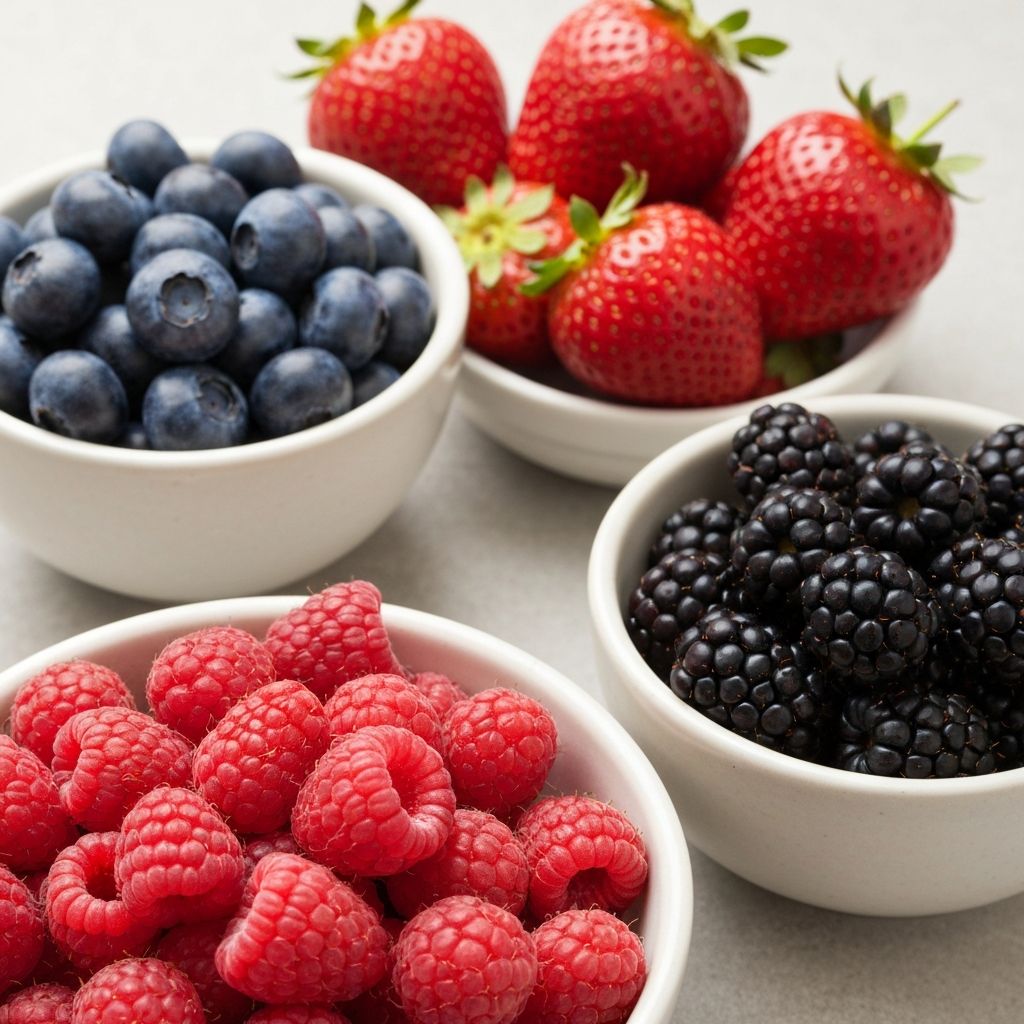
Fruits and Berries
Berries such as blueberries, strawberries, raspberries, and blackberries contain vitamin C, fiber, and various antioxidant compounds. These fruits have been consumed fresh, dried, or preserved across many cultures for generations.
Different fruits provide different nutritional profiles. Citrus fruits offer vitamin C, bananas provide potassium, and apples contain fiber. Seasonal availability influences fruit consumption patterns in different geographic regions.
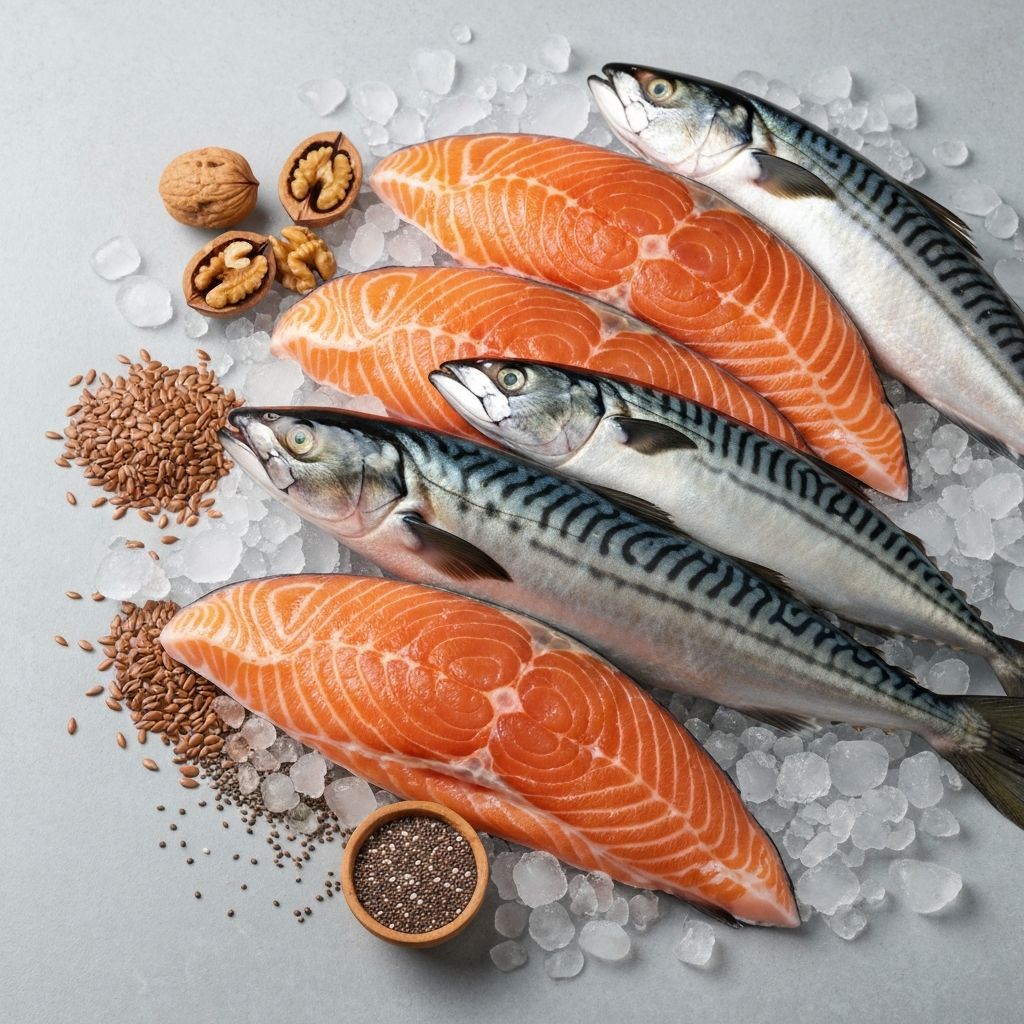
Seafood and Omega-3 Sources
Fish like salmon, mackerel, sardines, and trout contain omega-3 fatty acids, particularly EPA and DHA. These are polyunsaturated fats that have been studied extensively in nutritional research. Seafood also provides protein, vitamin D, and selenium.
Dietary guidelines from many countries include recommendations for regular fish consumption as part of a varied diet. Cooking methods, sustainability considerations, and freshness are factors that influence seafood choices.
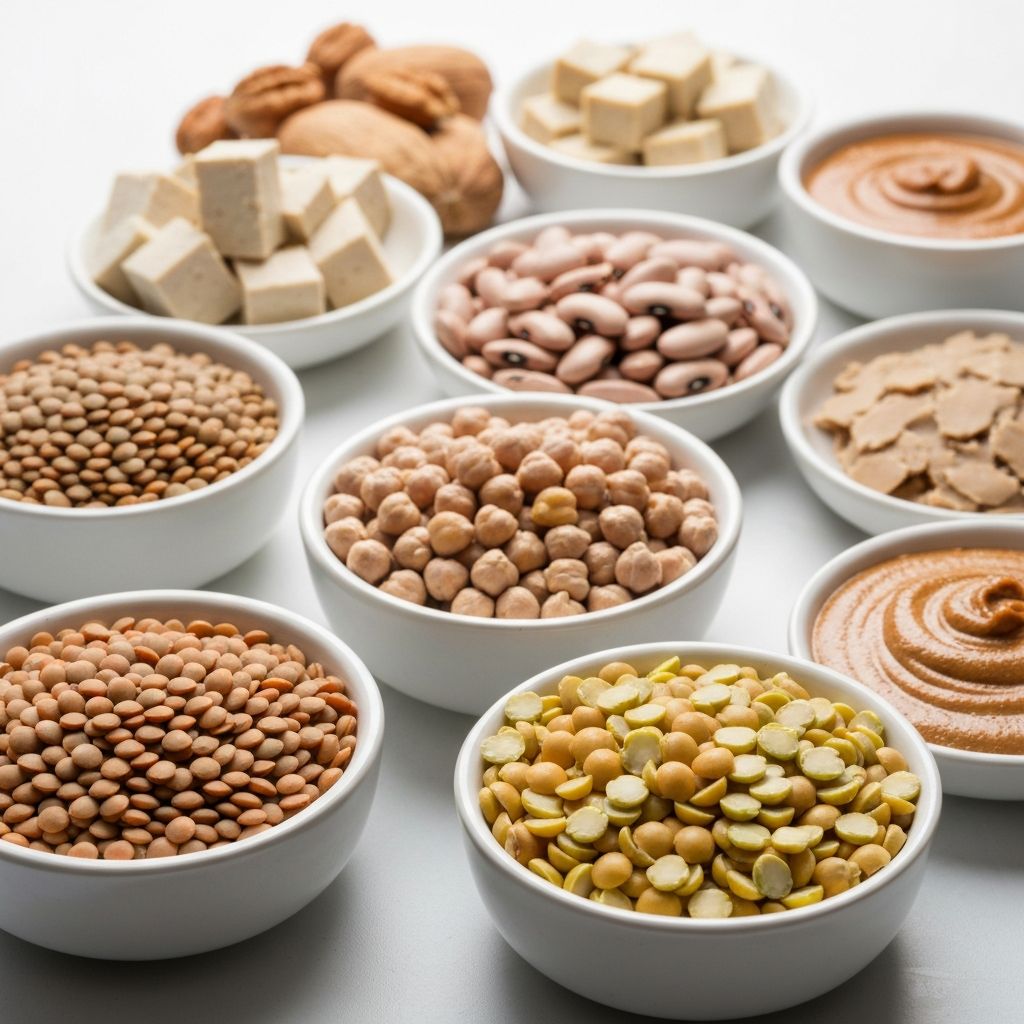
Legumes and Plant Proteins
Lentils, chickpeas, beans, and split peas are legumes that provide plant-based protein, fiber, iron, and folate. These foods are staples in vegetarian diets and are consumed widely in Mediterranean, Indian, and Latin American cuisines.
Legumes can be prepared in numerous ways including soups, stews, salads, and side dishes. They represent an affordable and shelf-stable protein source that has sustained populations throughout history.
Balanced Diet Infographic
A balanced diet includes appropriate proportions of different food groups. While individual needs vary based on age, activity level, and other factors, general dietary patterns emphasize variety and moderation.
Food Group Distribution
- Vegetables and Fruits 40-50%
- Whole Grains 25-30%
- Protein Sources 15-20%
- Healthy Fats 10-15%
Dietary Considerations
These percentages represent general patterns observed in various dietary guidelines but should not be interpreted as strict rules. Individual nutritional needs differ based on numerous factors.
Cultural eating traditions, food availability, personal preferences, and lifestyle factors all influence what constitutes a balanced diet for each person. Consultation with qualified nutritionists can provide personalized guidance.
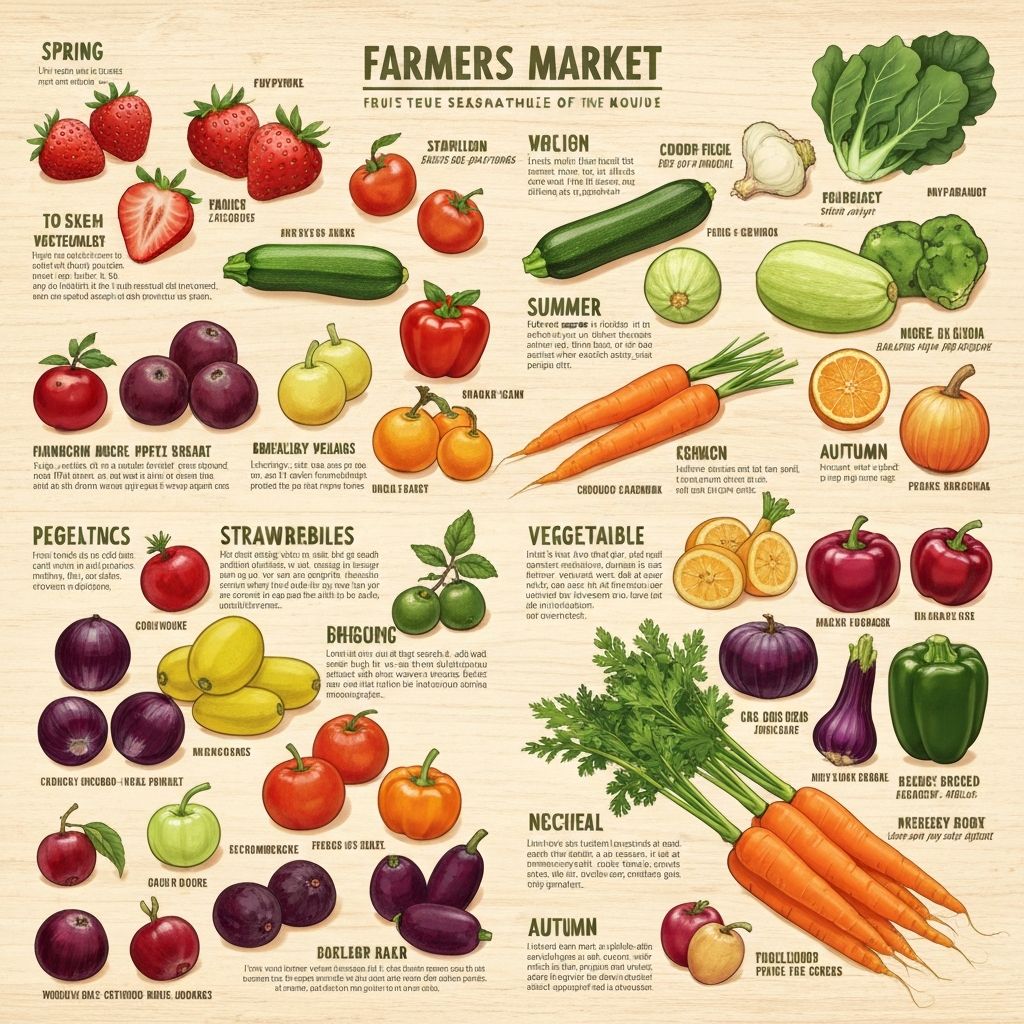
Seasonal Ingredients
Eating seasonally means choosing fruits and vegetables that are naturally harvested during specific times of the year. This practice aligns with traditional agricultural cycles and can influence flavor, freshness, and nutrient content of produce.
Spring Season
Spring brings asparagus, peas, radishes, spinach, and strawberries in many temperate regions. These foods emerge as temperatures rise and daylight increases after winter.
Summer Season
Summer yields tomatoes, cucumbers, bell peppers, zucchini, berries, and stone fruits. Warm weather crops reach peak ripeness during longer days and higher temperatures.
Autumn Season
Autumn offers squash, pumpkins, apples, pears, and root vegetables. These foods store well and have historically sustained populations through colder months.
Winter Season
Winter includes citrus fruits, cruciferous vegetables like cabbage and Brussels sprouts, and stored root vegetables. Some regions rely on preserved or imported produce during this season.
Nutrient Categories
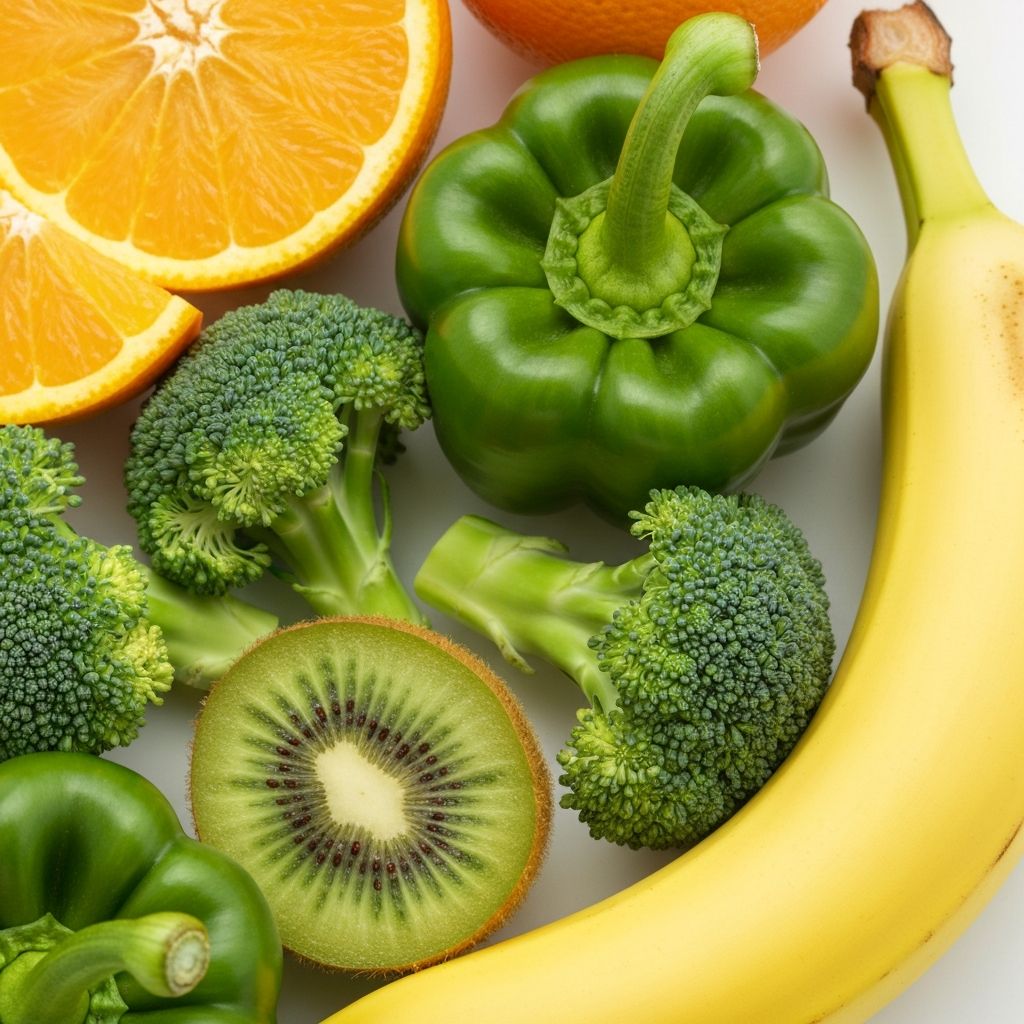
Vitamins
Vitamins are organic compounds required in small amounts for various metabolic processes. Vitamin C supports immune function, vitamin D plays a role in calcium absorption, and B vitamins are involved in energy metabolism. Sources include fruits, vegetables, dairy, and fortified foods.
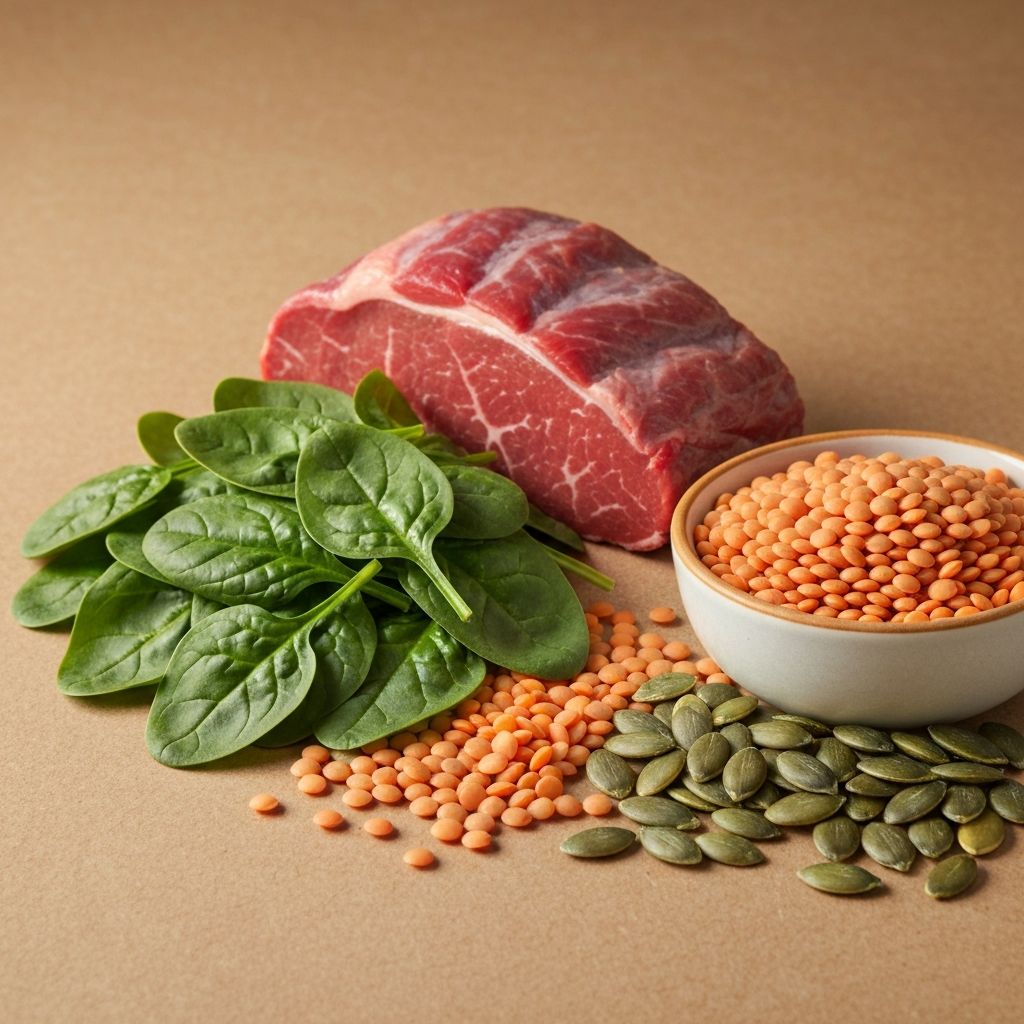
Minerals
Minerals are inorganic elements that serve structural and regulatory functions. Iron is a component of hemoglobin, calcium contributes to bone structure, and zinc is involved in enzymatic reactions. Food sources include meat, dairy, legumes, nuts, and leafy greens.
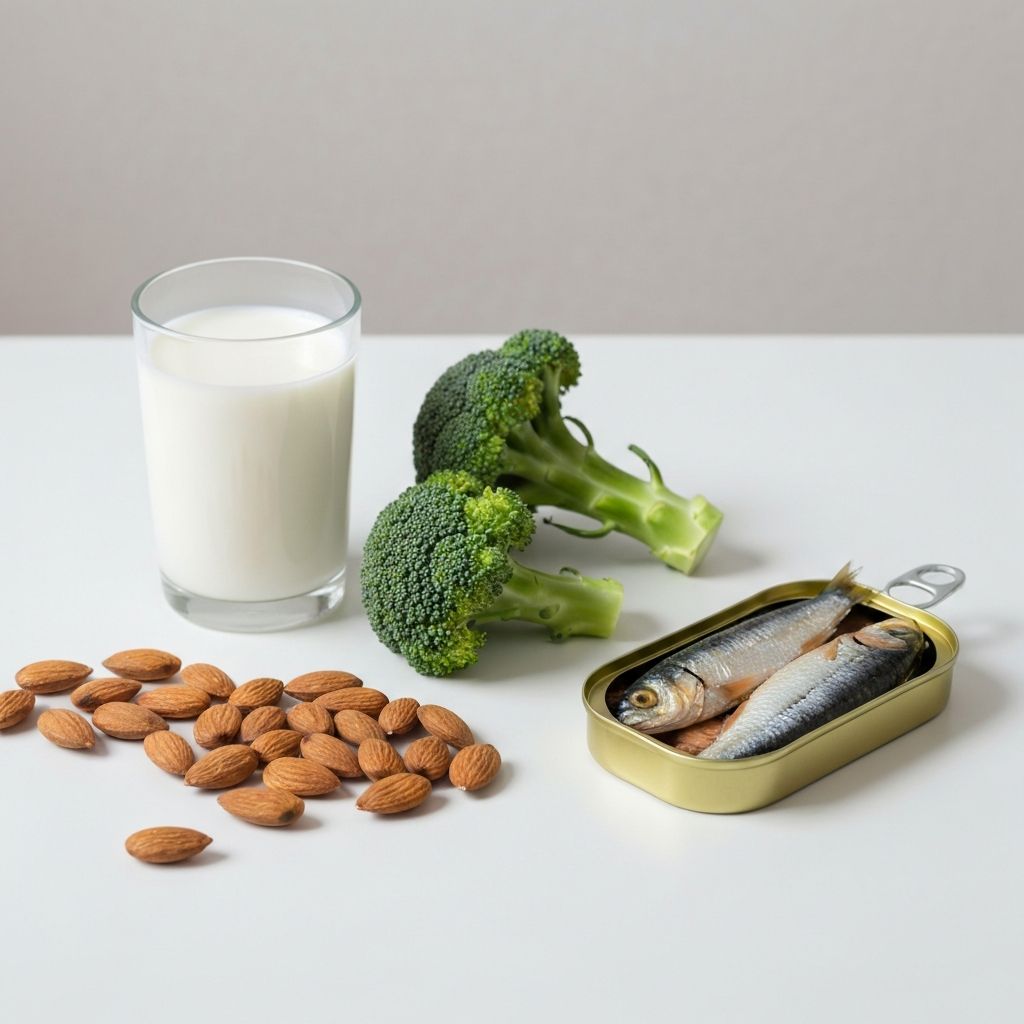
Macronutrients
Macronutrients include carbohydrates, proteins, and fats, which provide energy and building blocks for the body. Carbohydrates from whole grains provide glucose, proteins from various sources supply amino acids, and fats from nuts and fish offer essential fatty acids.
Scientific Insights
Nutritional science is a field that studies the relationship between diet and physiological processes. Research in this area examines how nutrients are digested, absorbed, metabolized, and utilized by the body.
Research Methodologies
Nutritional studies employ various methodologies including observational epidemiological studies, randomized controlled trials, and laboratory research. Each approach has strengths and limitations in establishing associations between dietary patterns and health outcomes.
Population Studies
Large-scale population studies have observed dietary patterns in different cultures. The Mediterranean diet, characterized by olive oil, fish, vegetables, and whole grains, has been extensively studied. Asian dietary patterns featuring rice, vegetables, and soy products have also been examined.
Bioavailability and Absorption
The bioavailability of nutrients refers to the proportion that is absorbed and utilized by the body. Factors affecting bioavailability include food preparation methods, presence of other nutrients, and individual digestive capacity. For example, vitamin C enhances iron absorption from plant sources.
Ongoing Research
Nutritional science continues to evolve as new research methodologies emerge and longer-term studies are completed. Current areas of investigation include the gut microbiome, personalized nutrition, and the effects of food processing on nutrient content.
Myths and Facts
Common Misconceptions
Myth: All fats are unhealthy
Fact: Dietary fats include saturated, monounsaturated, polyunsaturated, and trans fats, which have different chemical structures and different effects in the body. Monounsaturated fats from olive oil and avocados, and polyunsaturated fats from fish and nuts, are components of dietary guidelines.
Myth: Carbohydrates should be avoided
Fact: Carbohydrates are the primary energy source for the brain and muscles. Whole grain carbohydrates that include fiber are recommended over refined carbohydrates. The quality and quantity of carbohydrate sources matter in dietary patterns.
Myth: Protein only comes from meat
Fact: Protein is available from both animal and plant sources. Legumes, nuts, seeds, tofu, tempeh, quinoa, and dairy products all provide protein. Combining different plant proteins can provide all essential amino acids.
Evidence-Based Understanding
Fact: Hydration is essential
Water is crucial for virtually all bodily functions including temperature regulation, nutrient transport, and waste removal. Fluid needs vary based on activity level, climate, and individual factors. Water, herbal teas, and water-rich foods contribute to hydration.
Fact: Nutrient timing varies by individual
While some research examines meal timing and frequency, optimal patterns differ based on lifestyle, activity level, and personal preferences. Some people thrive with three meals daily, while others prefer smaller, more frequent meals.
Fact: Food variety matters
Eating a diverse range of foods increases the likelihood of obtaining various nutrients. Different colored vegetables provide different phytonutrients, and varied protein sources offer different amino acid profiles and micronutrients.
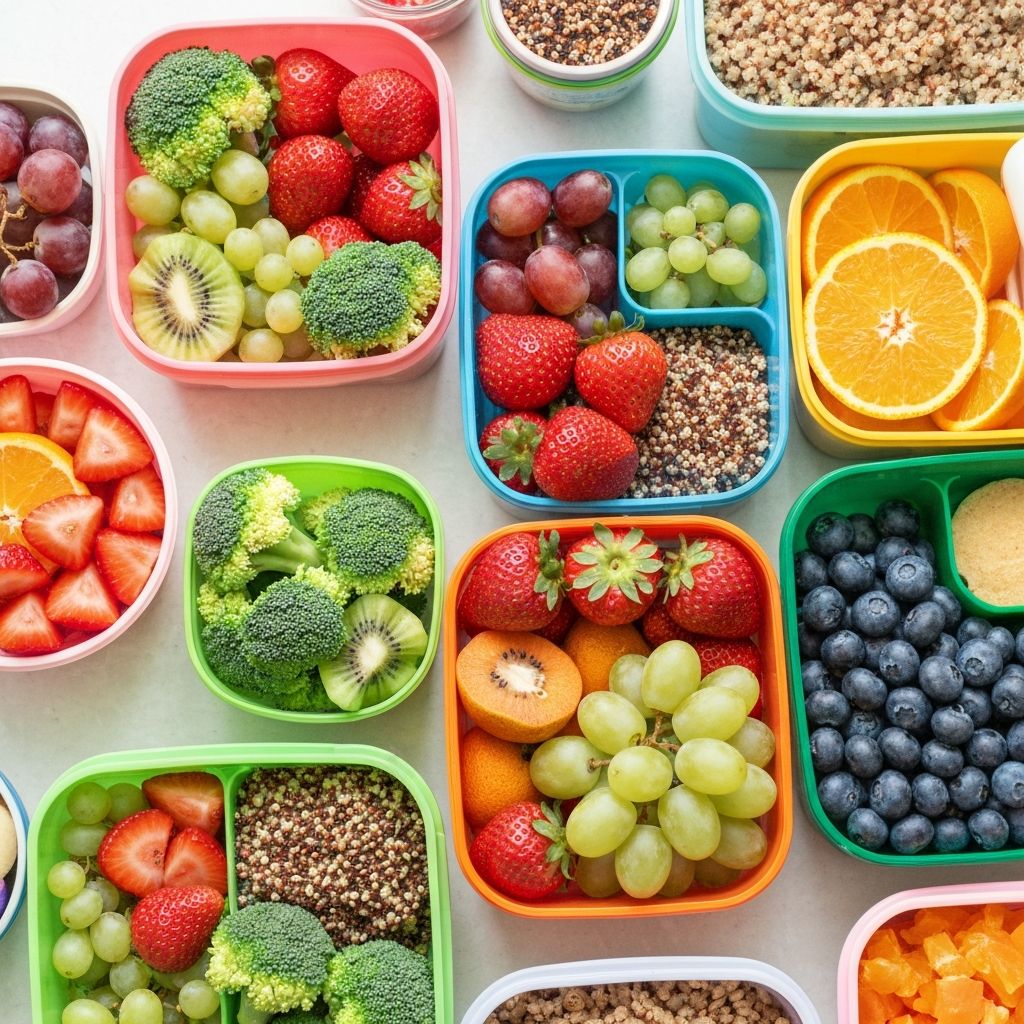
Lifestyle Awareness Tips
Healthy eating exists within the broader context of overall lifestyle patterns. Physical activity, sleep quality, stress management, and social connections all interact with dietary choices in complex ways.
Meal Planning and Preparation
Preparing meals at home allows for control over ingredients and portion sizes. Batch cooking, meal planning, and having staple ingredients available can support consistent eating patterns. Many people find that planning reduces reliance on convenience foods.
Mindful Eating Practices
Eating without distractions, chewing thoroughly, and paying attention to hunger and fullness cues are practices that some people incorporate into their routines. These habits may influence food enjoyment and satisfaction.
Physical Activity Connection
Regular movement and exercise affect energy needs and nutrient utilization. Athletes may have different nutritional requirements than sedentary individuals. Activities like walking, cycling, swimming, or strength training influence metabolic processes.
Sleep and Recovery
Sleep quality affects hormone regulation, including those involved in appetite and metabolism. Research indicates that sleep duration and quality interact with dietary patterns in bidirectional ways.
Stress Management
Psychological stress can influence eating behaviors and food choices. Some individuals eat more when stressed, while others eat less. Stress management techniques like meditation, yoga, or leisure activities may support balanced eating patterns.
Natural Food Products
The following examples represent common whole foods that are frequently included in balanced dietary patterns. These are educational examples, not recommendations for purchase.
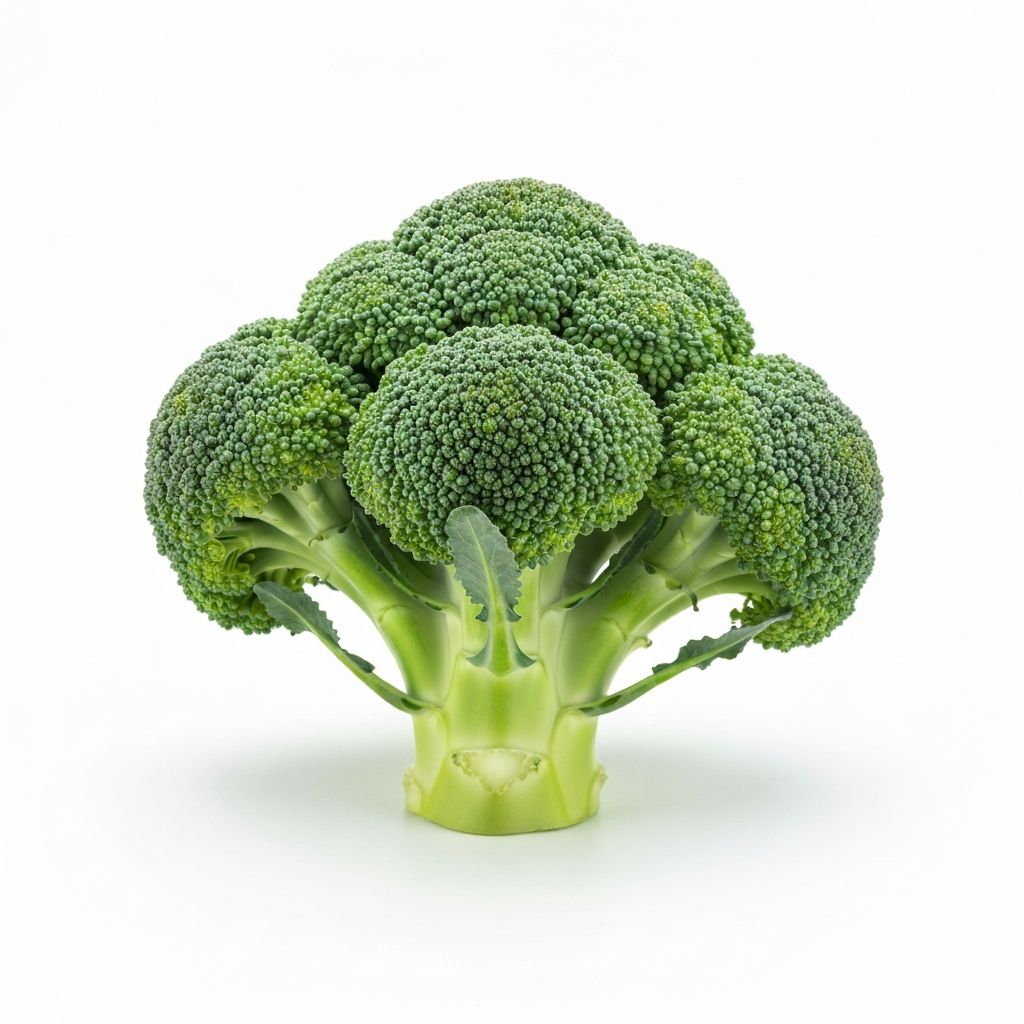
Broccoli
Broccoli is a cruciferous vegetable that contains vitamin C, vitamin K, folate, and fiber. It can be eaten raw, steamed, roasted, or stir-fried. Broccoli has been cultivated for over 2000 years and is featured in many culinary traditions worldwide.
Learn more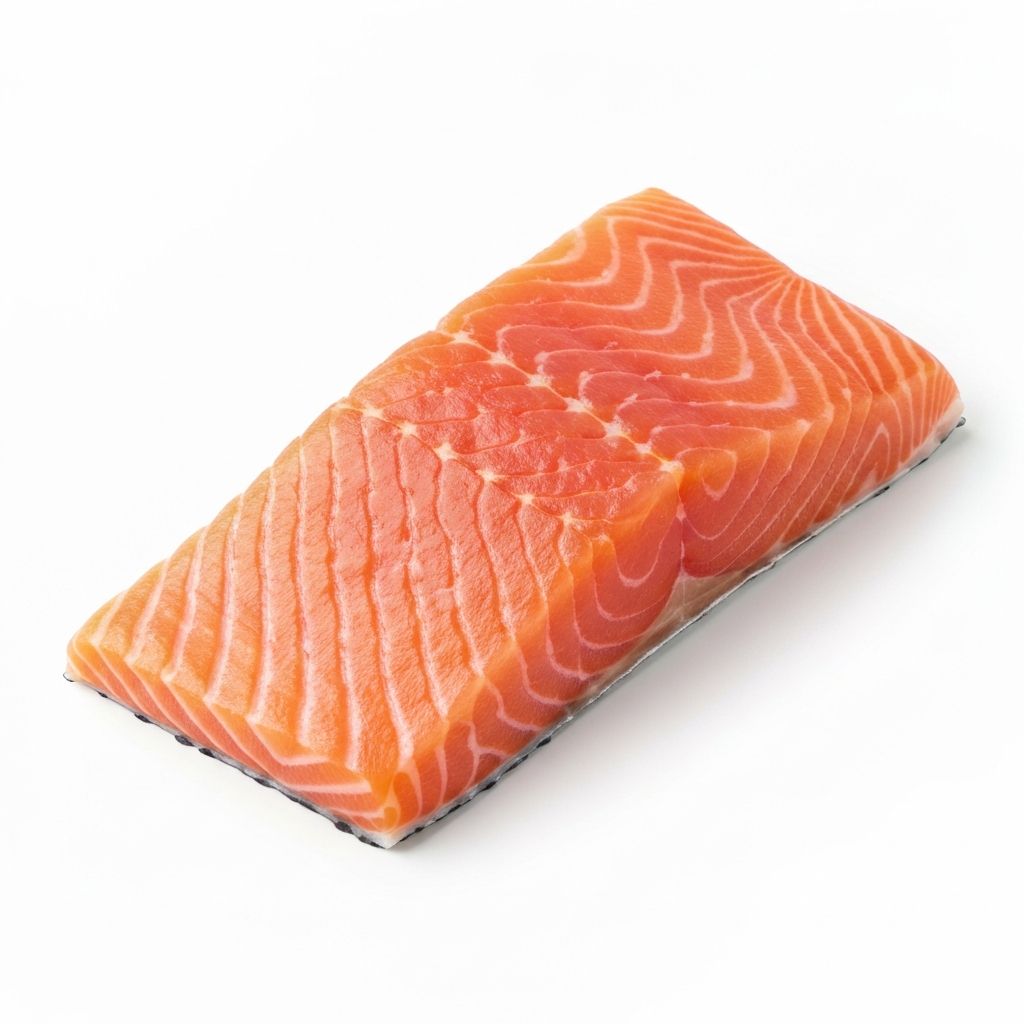
Salmon
Salmon is a fatty fish rich in omega-3 fatty acids, particularly EPA and DHA. It also provides high-quality protein, B vitamins, and selenium. Wild and farmed varieties have different nutritional profiles and environmental considerations.
Learn more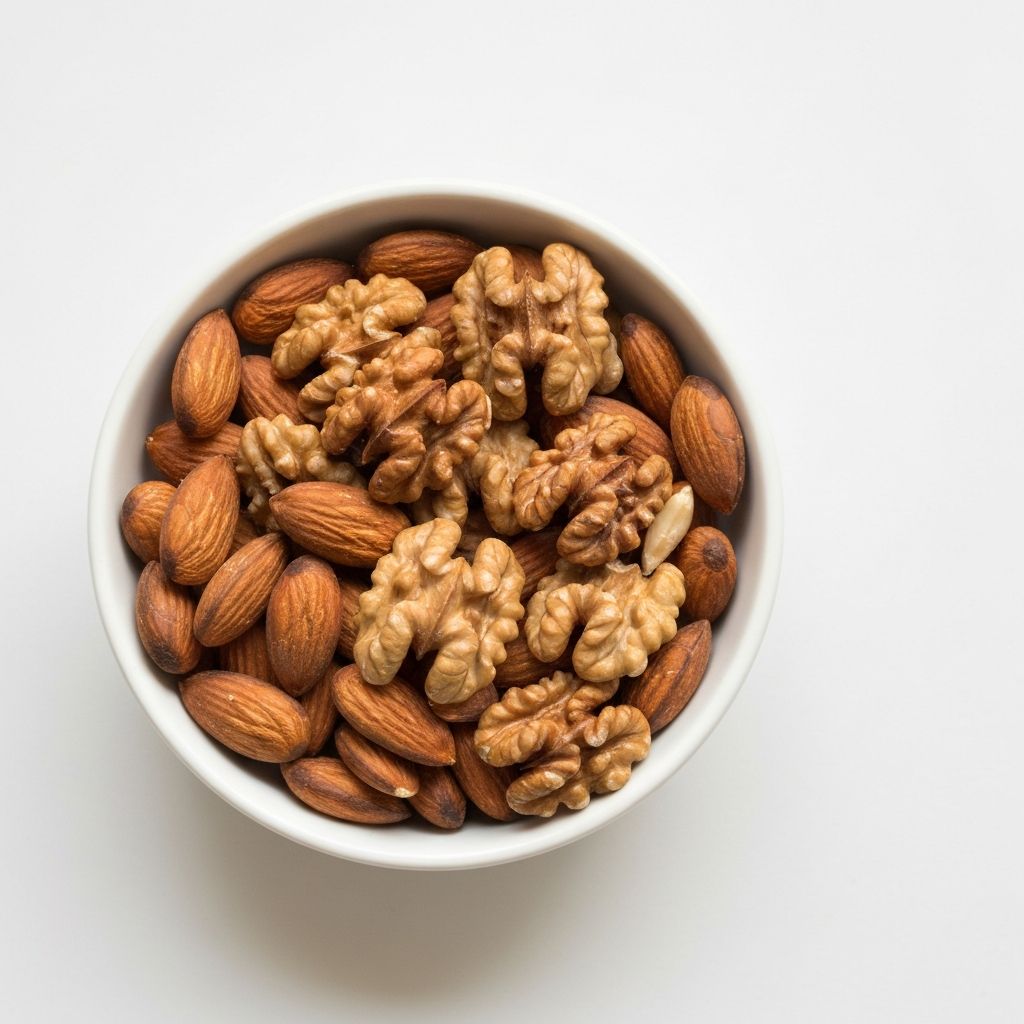
Mixed Nuts
Nuts like almonds and walnuts provide healthy fats, protein, fiber, vitamin E, and magnesium. They are energy-dense foods that have been consumed by humans for thousands of years. A small handful serves as a nutritious snack option.
Learn moreReferences and Studies
Nutritional information on this website is based on publicly available research and dietary guidelines from recognized health organizations.
Primary Sources
- World Health Organization (WHO) Dietary Guidelines
- United States Department of Agriculture (USDA) Dietary Guidelines
- European Food Safety Authority (EFSA) Nutritional Recommendations
- Harvard T.H. Chan School of Public Health Nutrition Resources
- National Institutes of Health (NIH) Office of Dietary Supplements
Research Databases
Information is drawn from peer-reviewed research available through databases such as PubMed, which indexes biomedical literature from around the world. Nutritional science is an evolving field with ongoing research.
Cultural and Historical Context
Traditional dietary patterns from various cultures, including Mediterranean, Asian, and Nordic diets, have been subjects of epidemiological research examining associations between eating patterns and population health markers.
Community Knowledge Hub
This website serves as an educational resource about nutrition and healthy eating patterns. The information provided is intended for general knowledge purposes only.
Educational Purpose
NutriMan exists to explain nutritional concepts, describe food groups, and provide context about dietary patterns observed in various cultures and studied by researchers. We present information in an accessible format for those interested in learning about nutrition.
Independent Resource
This website operates independently and does not promote specific products, services, or brands. The food examples and information provided are for educational illustration only, not commercial promotion.
Limitations and Context
The information on this website is general in nature and does not constitute personalized advice. Individual nutritional needs vary based on age, activity level, health status, and many other factors.
This website does not provide individualized recommendations or guidance. We explain concepts and describe foods, but do not advise what you should eat or how you should change your diet.
For personalized nutritional guidance, please consult with qualified healthcare professionals who can assess your individual circumstances and needs.
The content here is educational only and should not be interpreted as promises, guarantees, or recommendations for any specific outcomes.
Continue Learning
Explore more educational content about nutrition, food groups, and dietary patterns.
Read full article Explore topicEducational content only. No promises of outcomes.